
RESOURCES · CASE STUDIES · HAZARDOUS WASTE MANAGEMENT
Managing Risk When a Shipment Goes Off-Spec
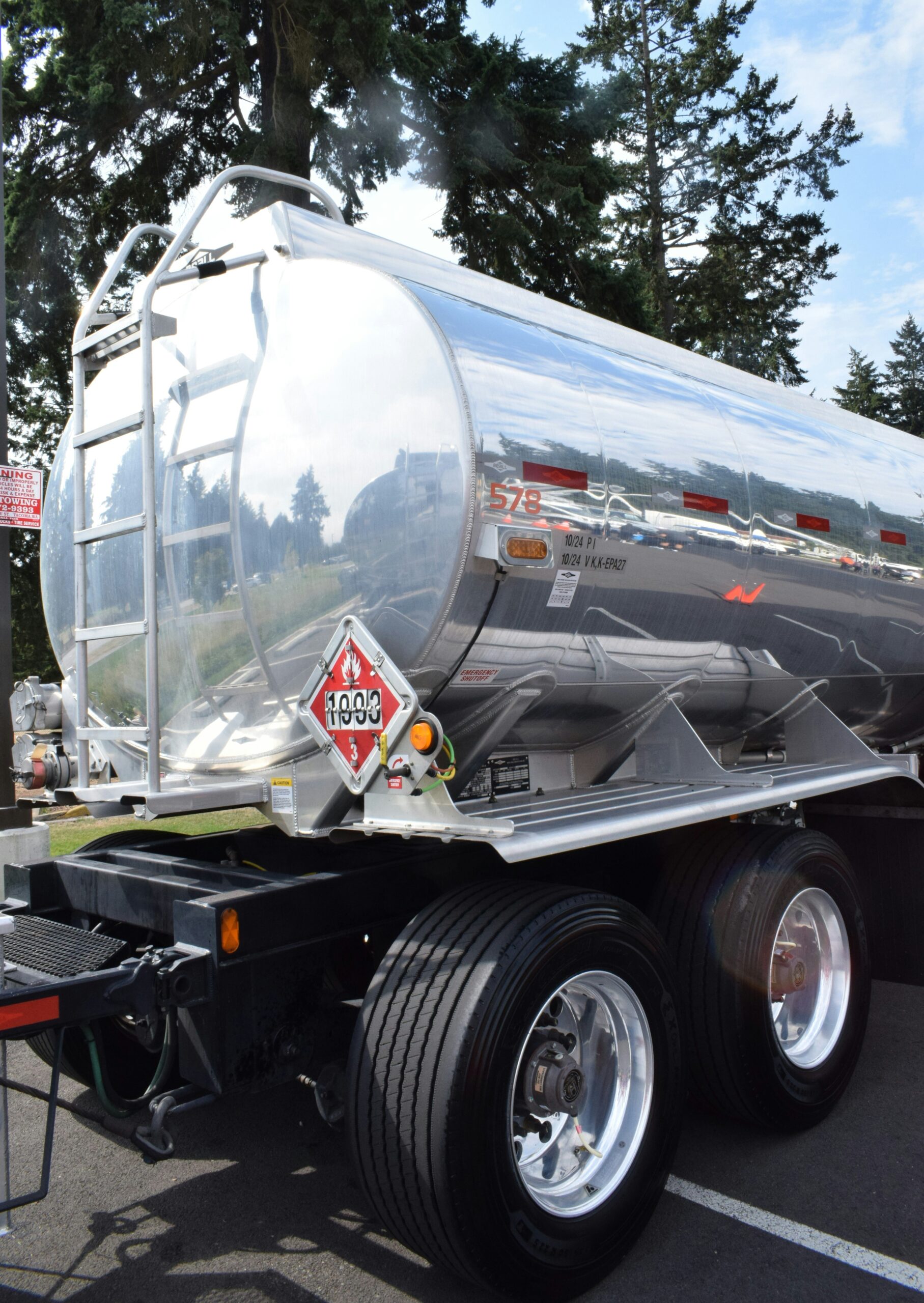
When an outbound tanker of arsenic-bearing wastewater began generating toxic NOx vapors and was refused by the receiving disposal facility, WTS resolved it as a controlled chemical operation, completed with no release, no injury, and no environmental impact.
Client: Industrial specialty chemicals facility
Location: Southeastern United States
Services: Hazard ID, vendor coordination, vapor control, bulk-to-package transfer
The Situation
An off-spec tanker of arsenic-bearing wastewater generated nitrogen oxide (NOx) vapors in transit and was refused by the receiving TSDF. WTS was engaged to transfer the material under controlled conditions, manage the vapor hazard, and prepare the tanker for compliant over-the-road transport.
A Chemical Operation, Not a Logistics Job
Rather than select a vendor on availability, WTS assembled a purpose-built team: a hazardous-waste transfer contractor experienced with acidic, D-code streams; a vapor-control and air-monitoring contractor to scrub NOx; and a WTS environmental manager providing on-site oversight. Each was chosen for a specific, demonstrated capability.
Control Built Into Every Step
Transfers ran one tote at a time inside bermed containment using a temporary double-block-and-bleed arrangement. Air monitoring was continuous, tracking NO, NO₂, NOx, SO₂, and CO. It set the pace of the work, with 15-to-30-minute dwell periods to scrub headspace before each tote was sealed. The emptied tanker was triple-rinsed, scrubbed, and ventilated overnight before WTS cleared it for transport.
Why It Matters
When material moves off-spec, risk escalates quickly if it is handled as routine logistics. WTS applied the same discipline it brings to long-term programs: early hazard recognition, deliberate planning, and specialized partners under experienced oversight.
THE RESULT
No vapor releases
No spills or drips
No injuries
No environmental impact
The tanker returned to service without restriction. That result was reached deliberately, without resorting to emergency response.
Uncontrolled vapor generation had the potential to create immediately-dangerous-to-life-or-health (IDLH) conditions. The difference was treating the event as a chemistry problem, not a logistics one.
CASE STUDIES
Your Challenge Could Be the Next One.
Tell us about your operation and we’ll show you the difference in how the work gets done.